Nexscient: Fueling the Robotics Revolution [36:02]
Listen to this informative conversation to learn more about Flipside AI and the TaskAlpha platform, empowering everyday people to earn money by recording household tasks that become supervised training data for humanoid robots.
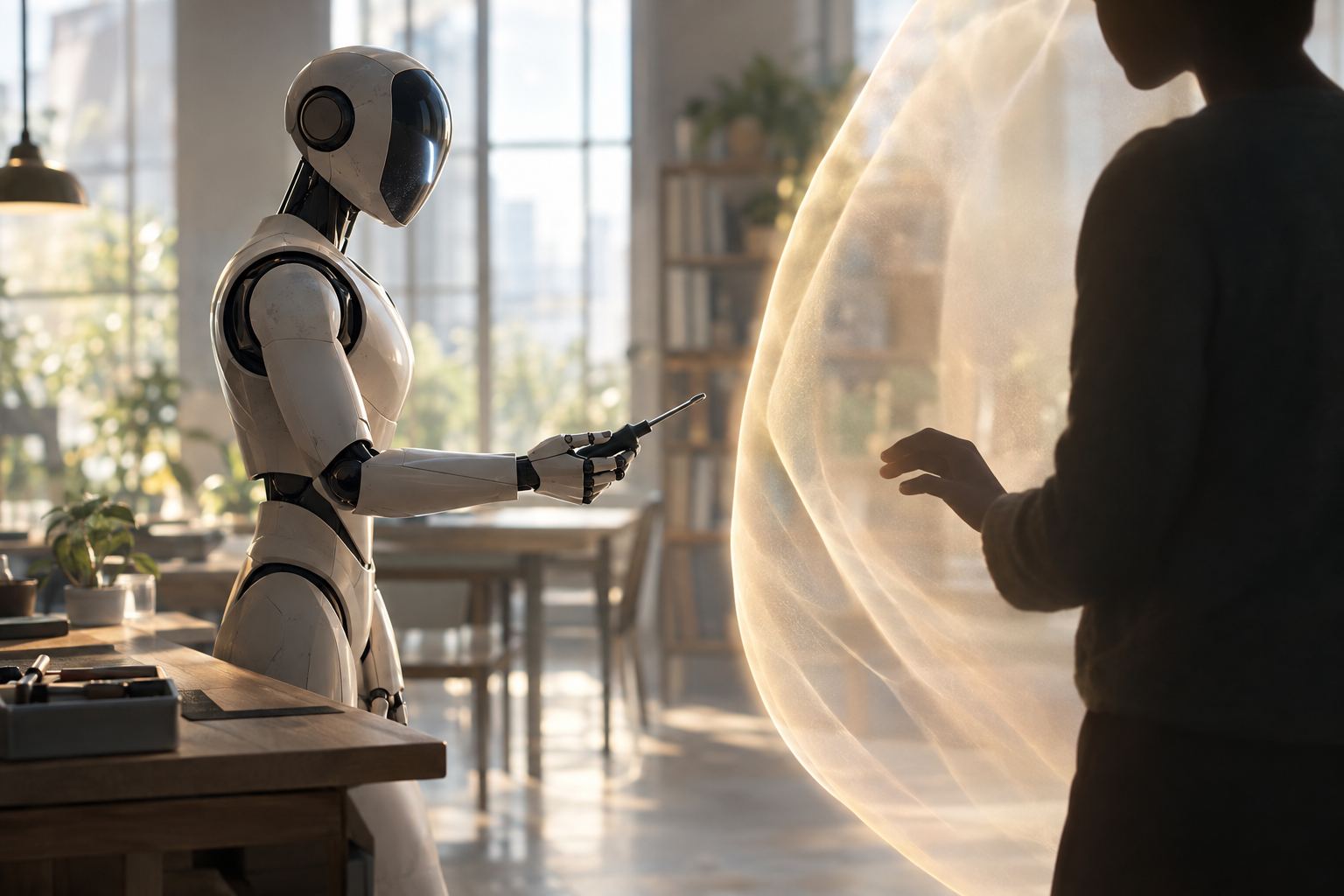
The Hardest Thing To Label Is Comfort
As humanoids move out of cages and into shared space, success stops being task completion and starts being how the person nearby felt about it. For most of the last decade, robot competence has been scored by whether the job got done. Did the gripper close on the cup, did the box land on the pallet, did the policy get
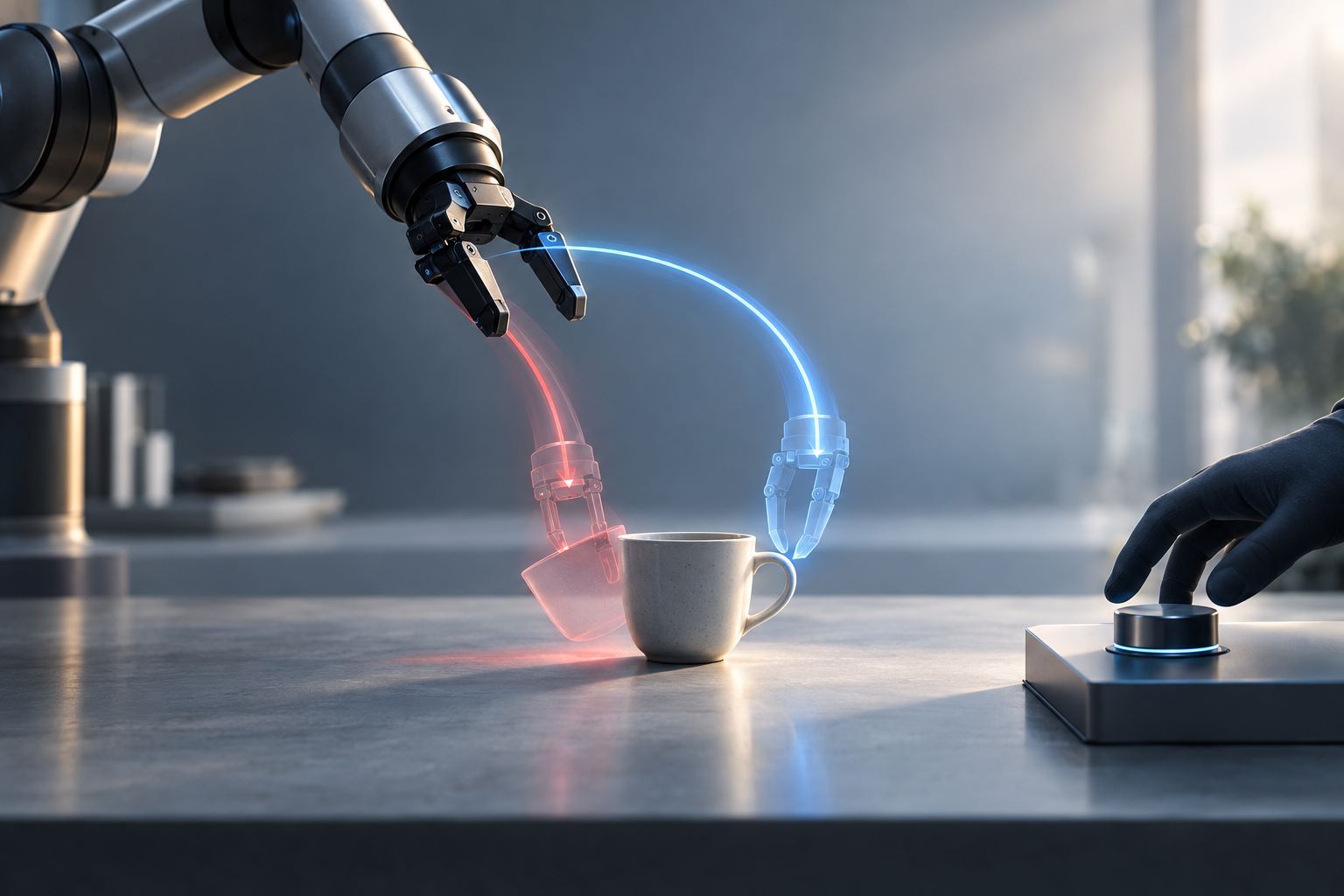
Teaching Robots From The Mistake That Never Happened
As robot learning shifts from copying demonstrations to recording human judgment about what should happen next, the scarce input becomes that judgment itself. Most of the money in robot learning goes toward teaching machines what to do. Much less goes to the second before a robot does something wrong, when the person supervising can already see it coming and has
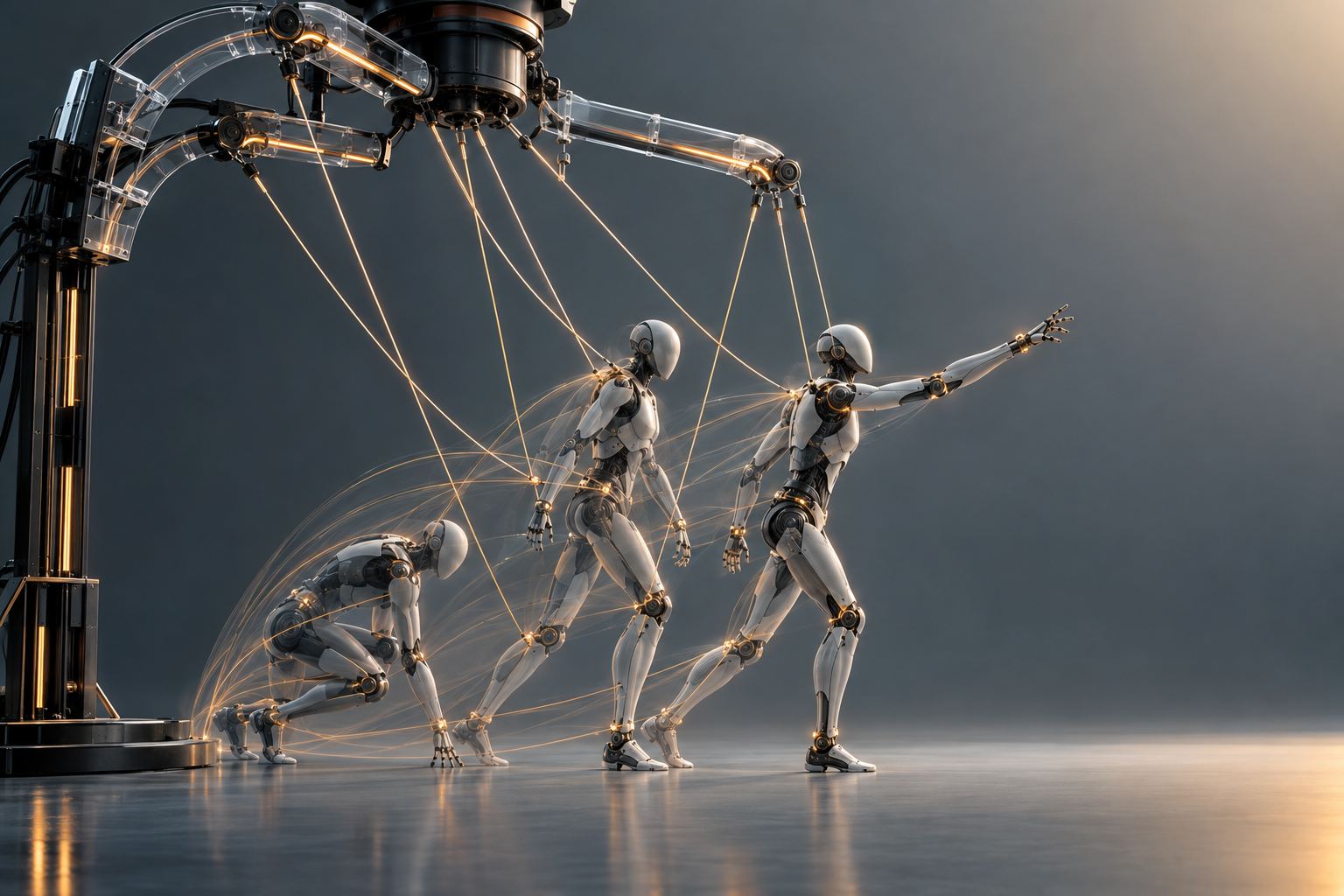
The Teleoperation Rig Decides What Robots Learn
A humanoid policy can only learn the coordination its demonstrations captured, which makes the capture interface, not the model, the binding constraint. Most humanoid robots you see in a clip are doing something narrower than they appear to be doing. The legs hold a stance, the arms do the work, and what you are watching is effectively a wheeled two-armed
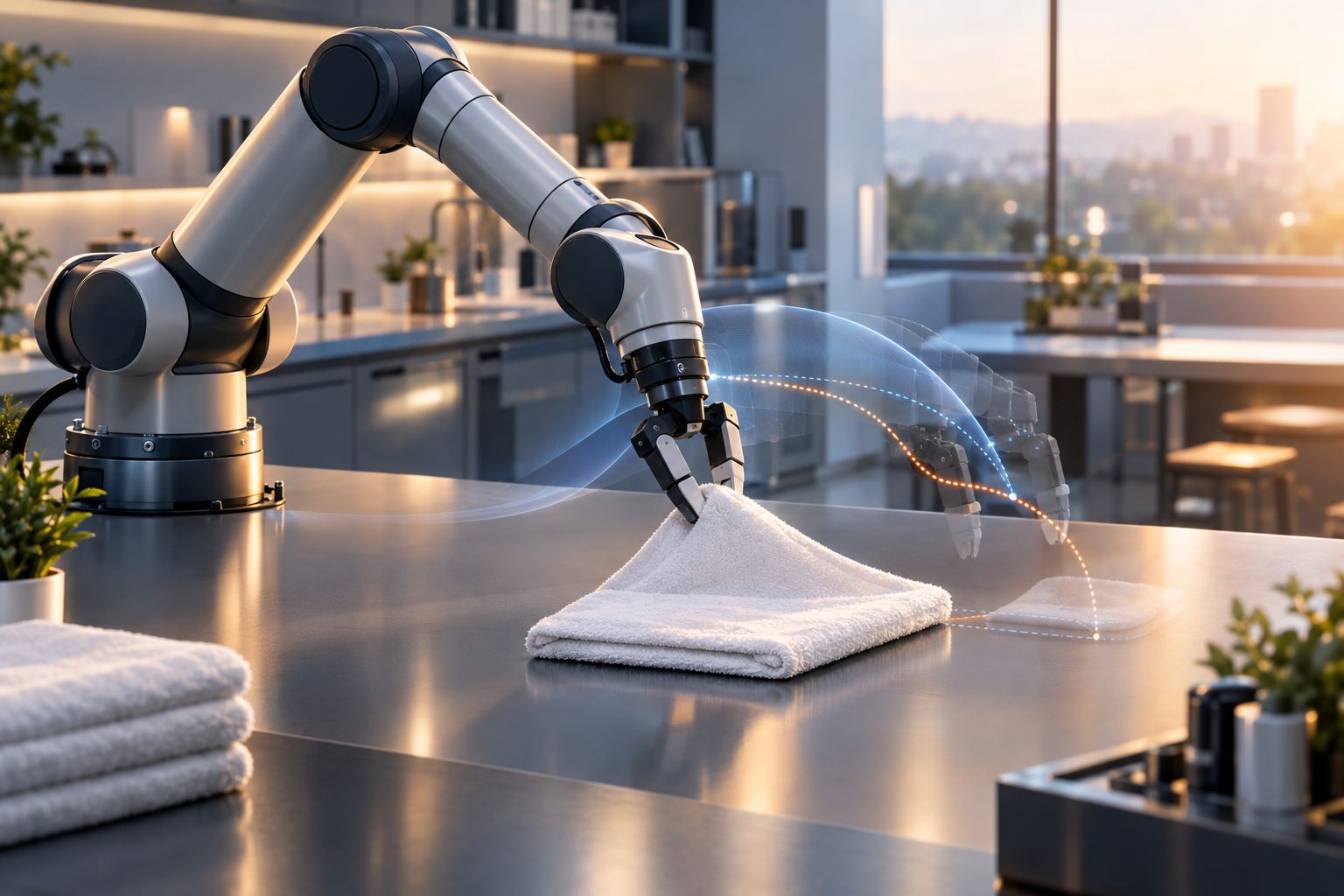
Nudging Robots Off Course On Purpose
Robot policies break in the situations nobody recorded, and the newest ideas attack how demonstrations are collected rather than how the models are trained. A robot that folds a towel perfectly in a lab video and fumbles the same towel in a kitchen is rarely suffering from a weak model. It is suffering from a thin record. A system that
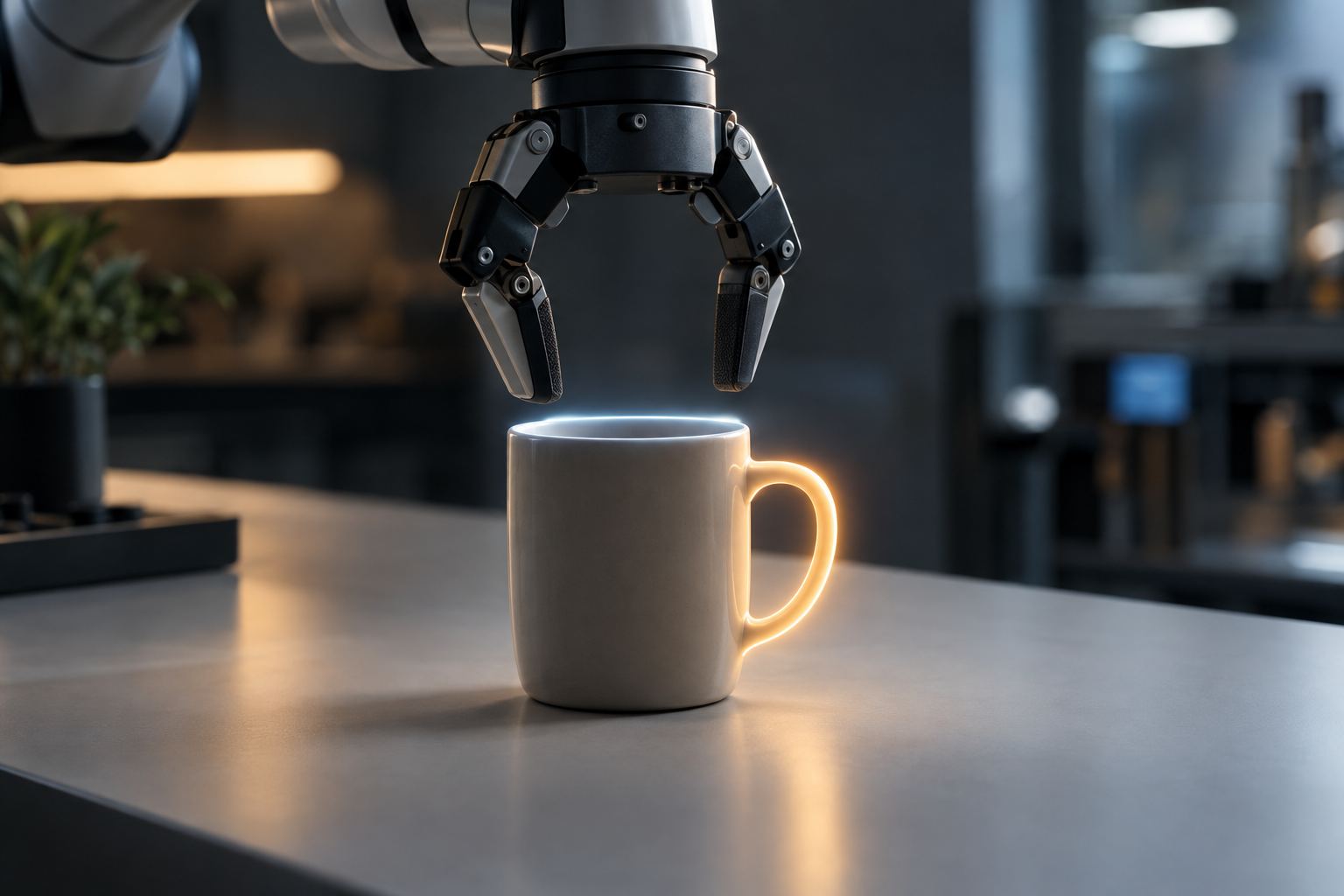
Where A Robot Grips Is A Judgment Call
As robot data generators learn to choose contact points from language, the scarce input becomes human judgment about what a task actually requires. Hold a mug by the rim and you can carry it. Hold it by the handle and you can pour from it. Both grips are stable, and only one of them lets the next step of the
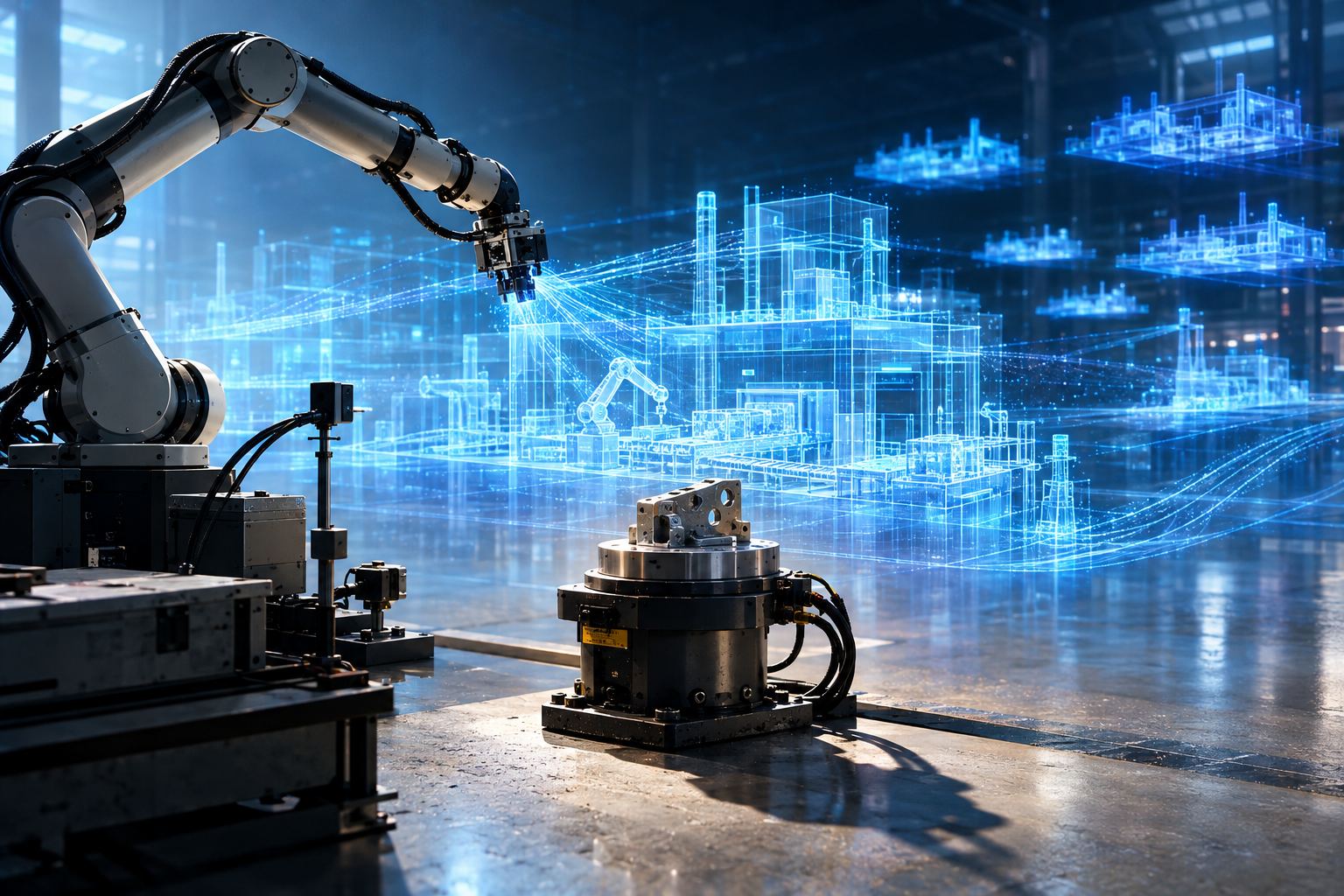
When The Robot Gym Writes Itself
As coding agents mass-produce the simulated worlds robots train in, the scarce input becomes the measured reality that separates faithful worlds from plausible ones. Robot teams have been sold the same promise for a decade. Train in simulation, where a machine can attempt a task a million times overnight, then carry the skill into a real building. The catch has
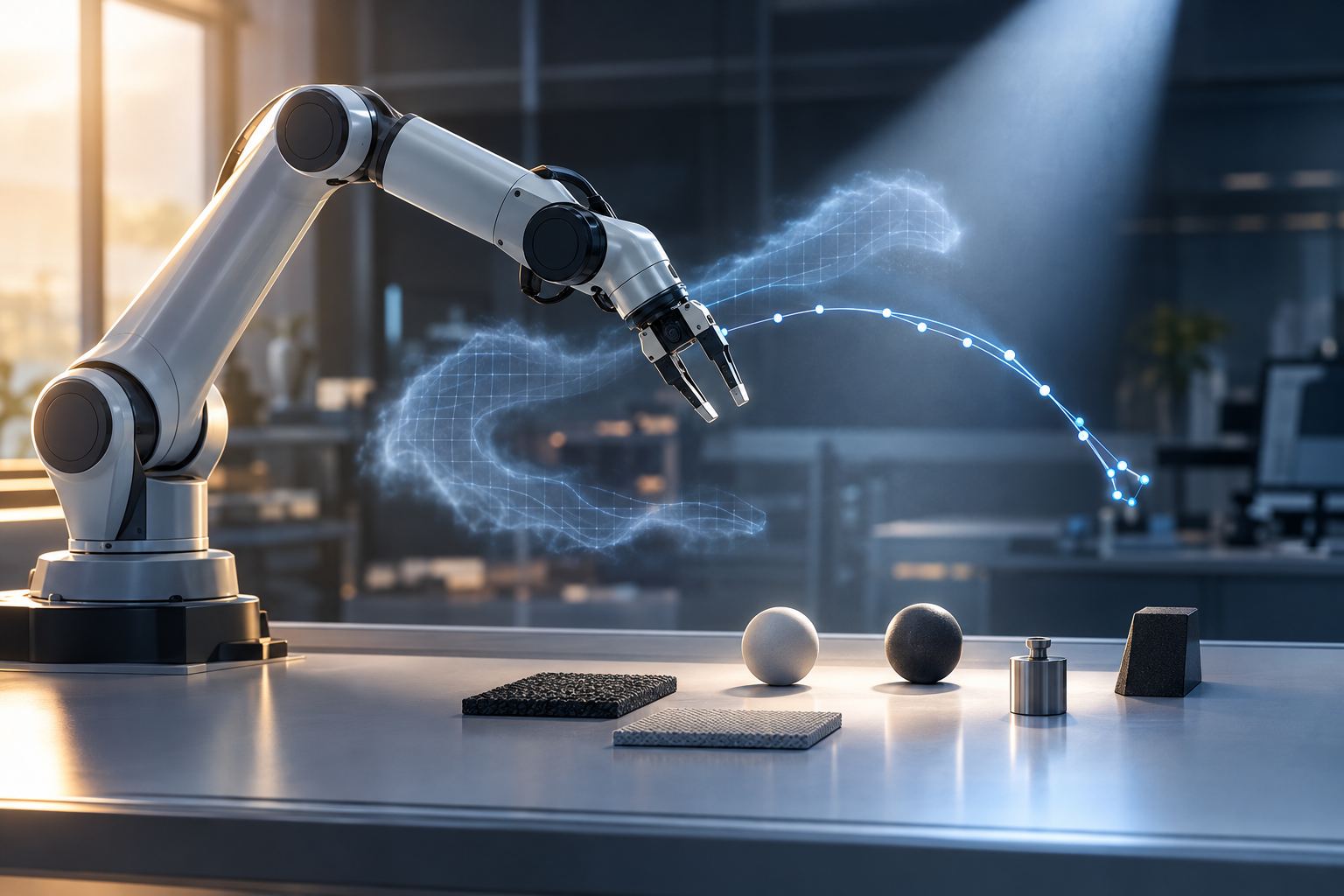
Why Simulators Need Data You Cannot Scrape
As robot training leans on simulation, advantage shifts to deliberately designed real-world motions that pin down what a machine’s physics actually are. Every robot trained in simulation is, in a sense, trained against a guess. The simulator carries numbers for mass, friction, motor strength and joint damping, and those numbers stand in for a real machine that nobody has fully
Cheap Tests For Robots Need Expensive Truth
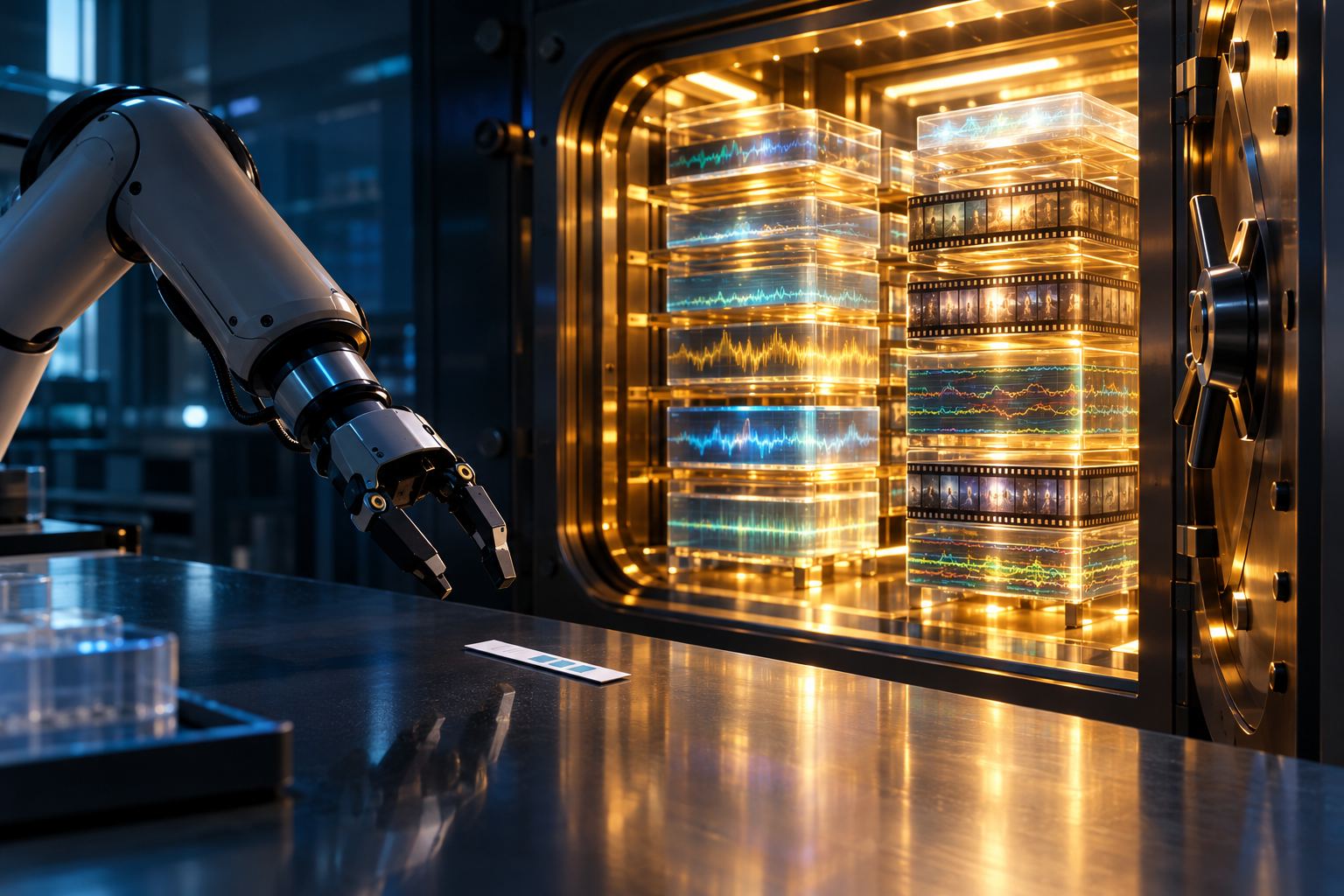
As the field hunts for shortcuts that predict whether a robot policy works, the recorded reality those shortcuts are measured against becomes the scarce asset. Testing a robot policy is expensive in a way that software teams rarely feel. Every run costs a machine, an operator, a cleared space and an afternoon, and the hundredth run happens in a slightly
Why Robot Failure Is Becoming An Asset
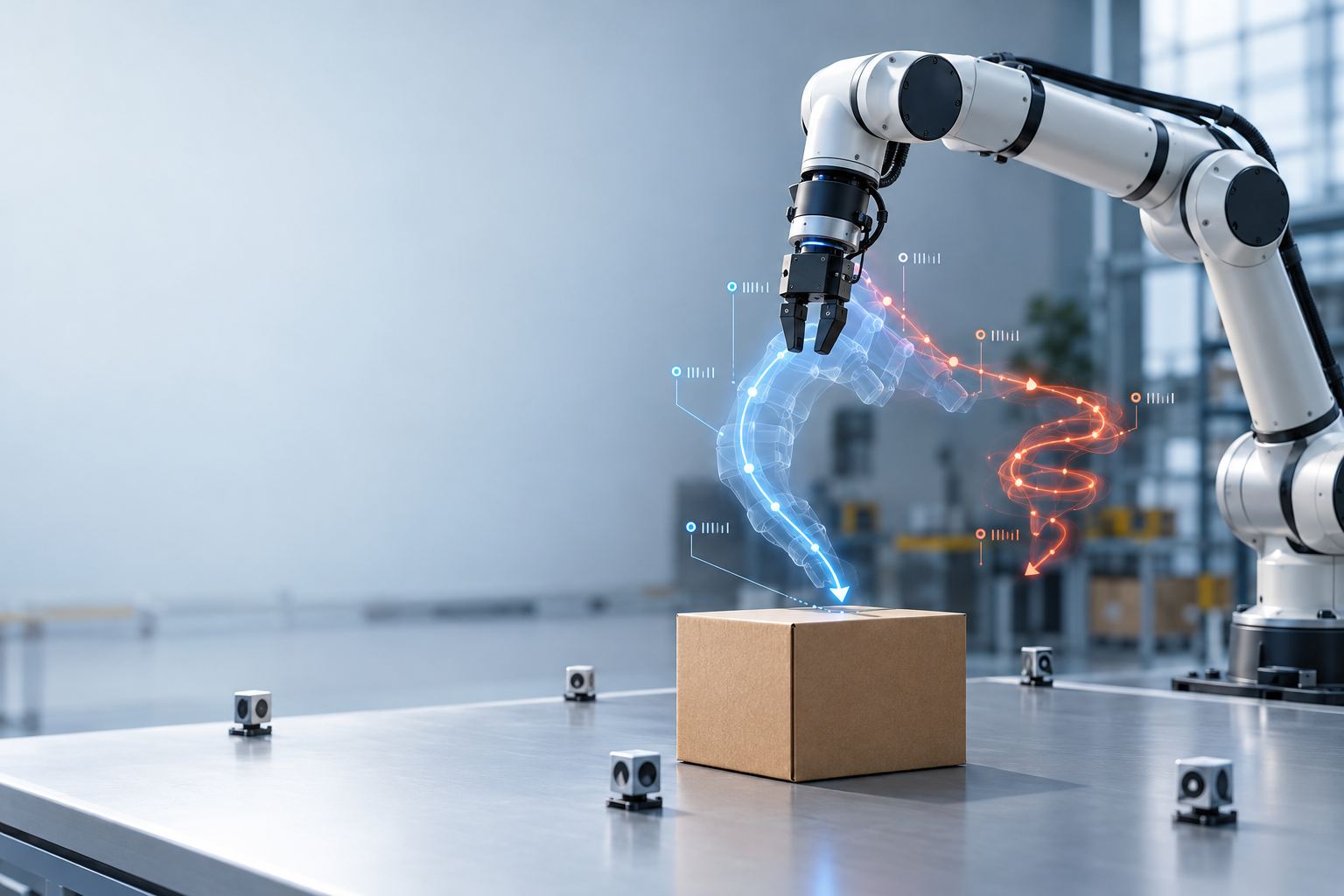
As robot policies start learning from their own mistakes as well as their successes, the scarce asset becomes a careful record of what went wrong and when. A robot rarely fails all at once. It drifts. The gripper closes a fraction early, the object tips, and within a second or two the machine is in a situation that nothing in
Grading Robots In A World That Won’t Hold Still
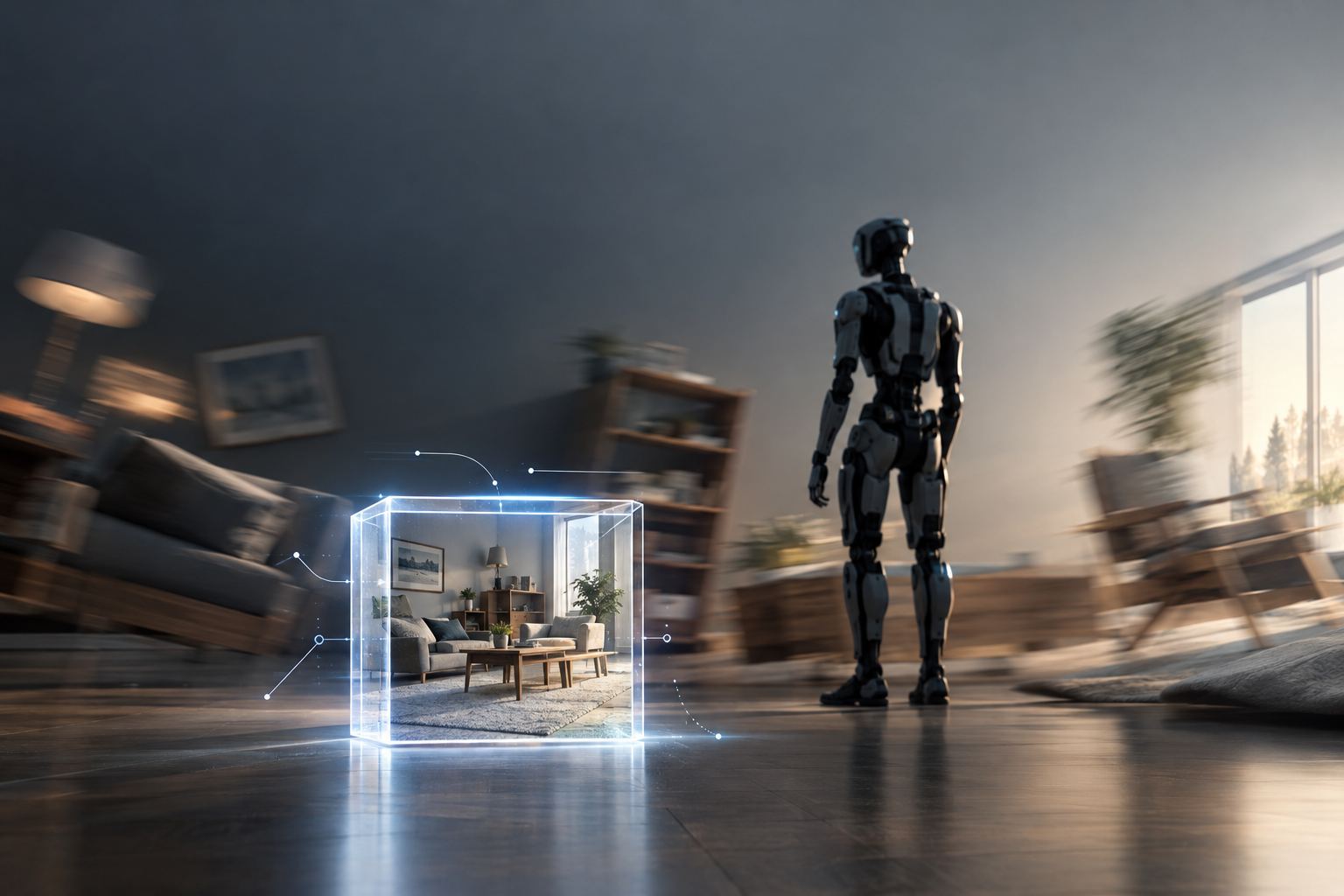
As robot testing moves out of fixed task lists and into open-world settings, the scarce asset becomes the recorded ground truth that defines what success was. Ask a robotics team how capable their system is and you will get a number from a test the team chose. For years that was a reasonable arrangement, because the test and the deployment
What Generated Worlds Cannot Tell A Robot
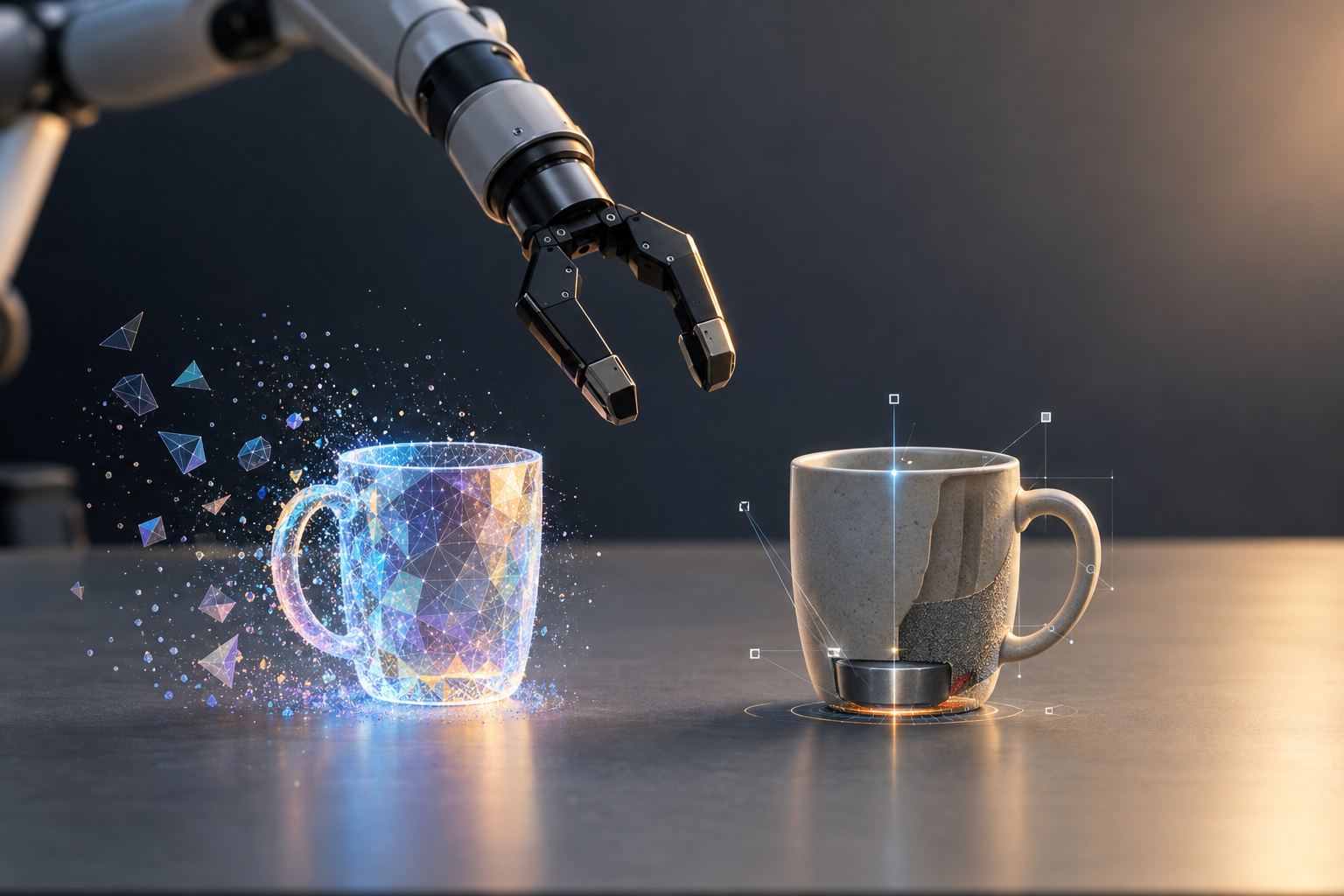
3D generation is making simulated scenes cheap to produce, which shifts the advantage toward the measured physical properties and consistent labels that those scenes cannot invent. Furnishing a simulator used to be craft work. If you wanted a robot to practice in a kitchen, someone modeled the kitchen, from the cabinets and handles down to the clutter on the counter,
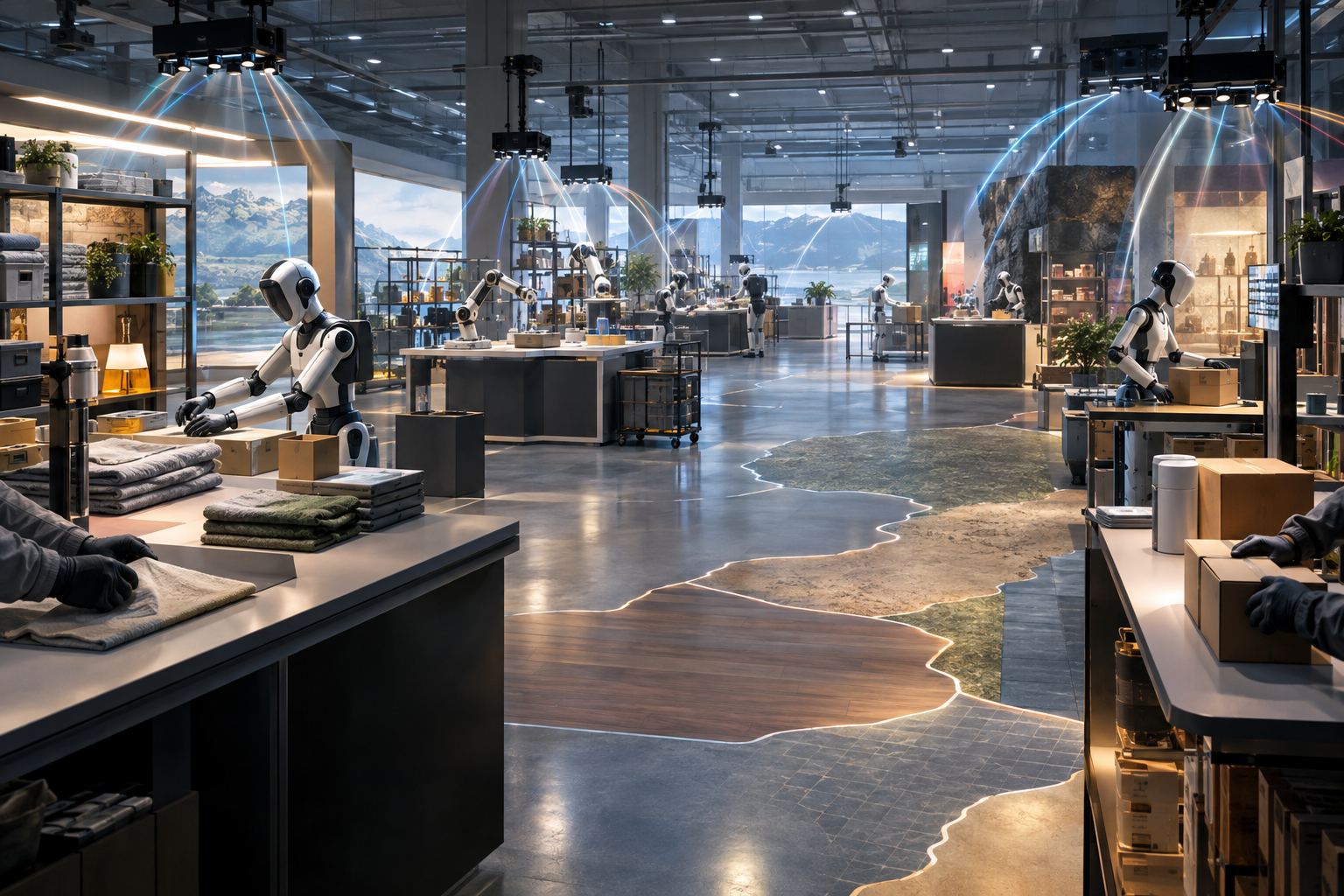
Where Robot Training Data Is Made Now Matters
As countries move to produce humanoid training data at home, advantage in embodied AI starts to depend on where that data is created and under what rights. Robots do not learn from the internet the way chatbots do. They learn from records of physical work: hands moving objects, bodies crossing rooms, the small corrections a person makes without thinking about